
Pigmented Lesions

Pigmented Lesions At Village Family Medicine PC
Pigmented lesions encompass a variety of skin spots that vary in size, shape, and color, often caused by sun exposure, aging, or hormonal changes. While many of these lesions are harmless, some may require medical attention. At Village Family Medicine PC, we provide professional assessments to help identify the nature of these spots and guide patients in managing their skin health.
Early detection and monitoring are key to ensuring that any potential issues are addressed promptly and appropriately, reducing the risk of complications such as skin cancer.

Pigmented Lesions Care At Village Family Medicine PC
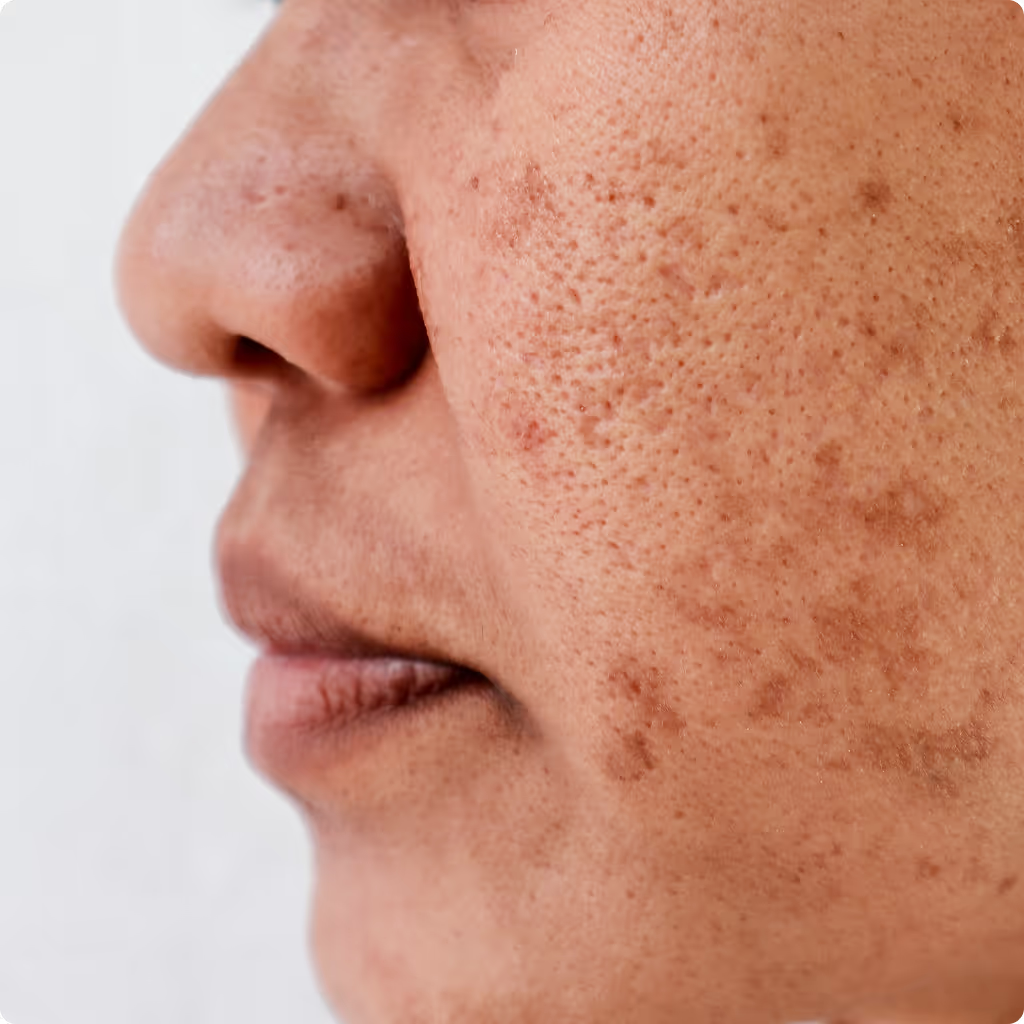
Pigmented lesions are abnormal skin marks or spots that appear darker than the surrounding skin. These conditions arise due to the overproduction of melanin, the pigment responsible for skin color. Common types of pigmented lesions include freckles, age spots, moles, melasma, and seborrheic keratosis. While some of these lesions are harmless and may simply reflect natural aging or sun exposure, others can be indicative of skin conditions that require attention, such as melanoma.
Professional evaluation of pigmented lesions to determine their nature and monitoring changes in size, shape, or color to identify potential risks.
Early detection of harmful conditions, such as melanoma.
Personalized treatment recommendations based on individual skin health.
Not Sure Which Treatment Is Best for You?
Every skin concern is different. Take our quick assessment and we'll match you with the treatment that fits your goals.
FAQs
Find answers to common questions about Pigmented Lesions at Village Family Medicine in Roscommon, MI.
Pigmented lesions are caused by the overproduction of melanin, the pigment responsible for skin color. Common causes include sun exposure, aging, hormonal changes, and genetics. These factors can lead to the development of freckles, age spots, moles, melasma, and other types of pigmented spots.
No, most pigmented lesions are harmless and simply reflect natural aging or sun exposure. However, some lesions can be indicative of skin conditions that require attention, such as melanoma. Regular skin checks and monitoring any changes in size, shape, or color are important for early detection of potential issues.
Treatment for pigmented lesions depends on their type and nature. Options may include topical treatments, laser therapy, chemical peels, or surgical removal. Our team will evaluate your lesions and recommend the most appropriate treatment based on your individual skin health and concerns.
You should see a doctor if you notice any changes in the size, shape, or color of a pigmented lesion, or if a new lesion appears. Regular skin checks are recommended, especially if you have a history of sun exposure or a family history of skin cancer. Early detection is key to addressing any potential concerns.