

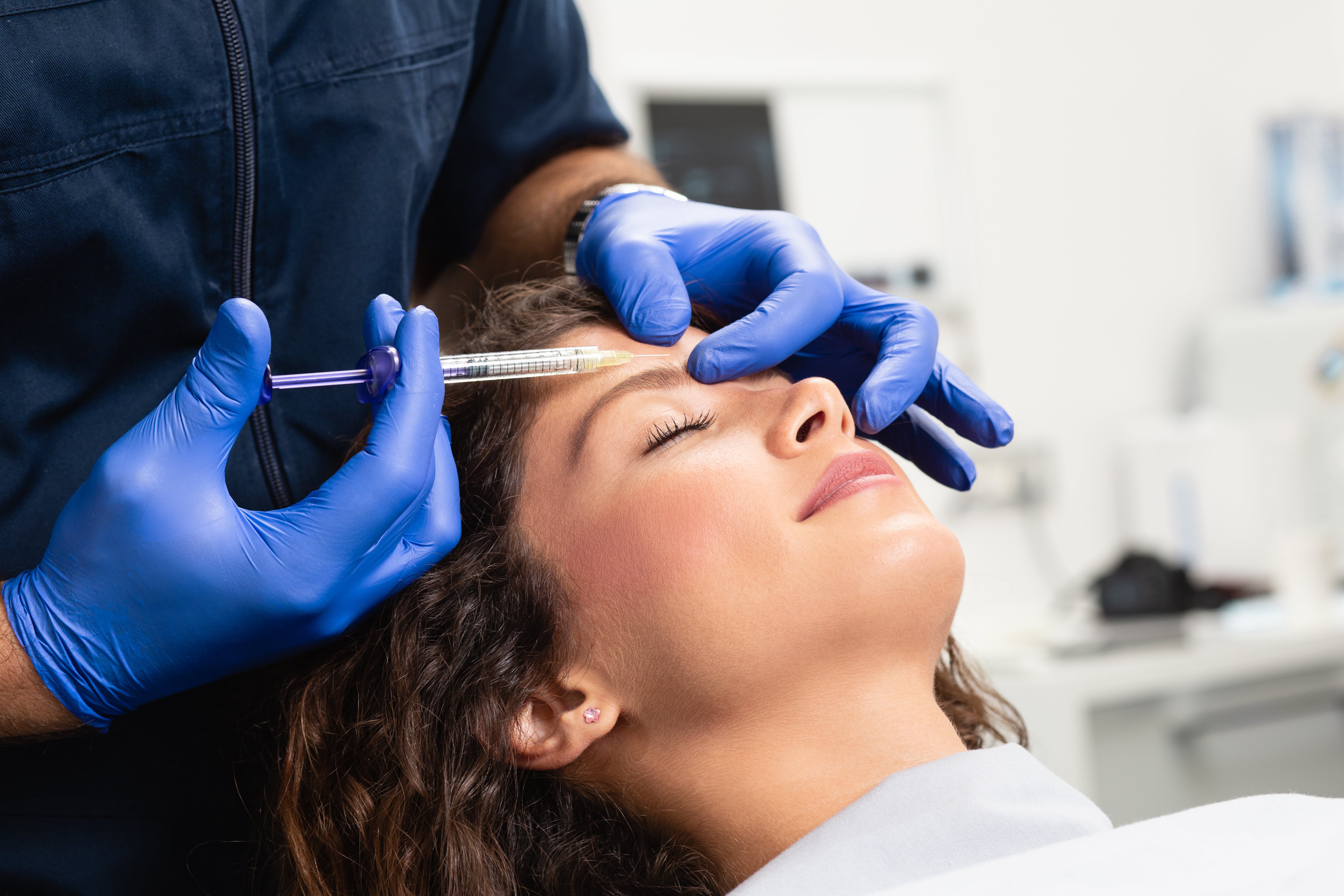
Can Botox Cause Cancer? Separating Fact from Fiction

Many people considering Botox treatments often worry about potential long-term health effects. One common concern revolves around whether Botox can cause cancer. Understanding how Botox works and the scientific insights behind its safety can help patients make informed decisions without unnecessary fear. This article provides a thorough examination of Botox safety, addressing myths, medical insights, and real-world experiences.
What Botox Is and How It Works
Botox is a purified protein derived from botulinum toxin type A. Its primary function is to temporarily relax muscles, reducing the appearance of fine lines and wrinkles. Beyond cosmetic benefits, Botox also treats medical conditions such as chronic migraines, excessive sweating, and muscle spasticity. Millions of people worldwide receive Botox, making it one of the most commonly used cosmetic and therapeutic treatments.
When administered in small controlled doses, Botox remains localized to the injection site. It works by blocking nerve signals that cause muscles to contract. This precise mechanism ensures minimal absorption into the bloodstream and lowers any potential risks, including concerns about cancer.
Examining the Link Between Botox and Cancer
Scientific research and clinical experience consistently show no evidence that Botox causes cancer. Studies have followed patients over years, even decades, without any indication of increased cancer risk. Botox does not trigger mutations or affect cell growth in a way that could lead to tumor formation.
Key Findings from Clinical Observations
- Long-term Botox users have not shown elevated cancer rates compared with the general population
- Cosmetic and therapeutic applications use extremely small doses, significantly reducing systemic effects
- Real-world data confirms Botox’s safety profile across diverse age groups and health conditions
Common Myths About Botox and Cancer
Fear of Botox often stems from misunderstandings about its origin. Botulinum toxin comes from a bacterium known for causing botulism. While botulism can be dangerous at high doses, Botox injections use minute amounts that are safe and controlled. This distinction is crucial in debunking myths about cancer risk.
Some sources may exaggerate potential side effects or confuse toxicity with carcinogenicity. Recognizing the difference helps patients approach Botox treatments with confidence.
Factors That Affect Botox Safety
Safety largely depends on proper administration by trained professionals and adherence to recommended dosages. Incorrect technique or excessive frequency can lead to minor side effects, but cancer is not among them. Typical reactions include mild swelling, temporary bruising, or a headache shortly after injection.
Patients with certain neuromuscular disorders or known allergies to Botox ingredients should consult a healthcare professional. Individuals who are pregnant or breastfeeding are generally advised to wait until more information about safety in these groups becomes available.
Benefits of Botox Beyond Cosmetic Use
Botox provides therapeutic value in addition to aesthetic improvements. Medical applications include
- Relief from chronic migraines and tension headaches
- Management of overactive bladder and urinary incontinence
- Reduction of excessive sweating known as hyperhidrosis
- Treatment for muscle stiffness or spasticity due to neurological conditions
These uses highlight the versatility and safety of Botox when performed by qualified healthcare providers.
Understanding Patient Experiences
Millions of people report satisfaction with Botox treatments, not only for cosmetic purposes but also for improving quality of life. Patients often note reduced pain, fewer migraine episodes, or greater confidence due to smoother skin. Real-world experiences reinforce the conclusion that Botox is safe and effective when administered responsibly.
How to Choose a Safe Botox Provider
Selecting a reputable clinic ensures safety and optimal results. Look for healthcare providers who specialize in cosmetic or therapeutic Botox treatments and have verifiable experience. Trusted providers offer personalized consultations, explain treatment plans, and monitor patients for side effects. Clinics like VF Med Clinic provide professional guidance and safe treatment protocols. You can explore Botox Injections at VF Med to learn about their treatment options.
Long-Term Safety Considerations
Repeated Botox treatments over time have not been associated with long-term cancer risk. Monitoring patient outcomes and maintaining adherence to recommended injection schedules further ensures safety. Ongoing clinical studies continue to evaluate Botox’s efficacy and safety, reinforcing its strong track record.
Tips for Safe Use
- Follow professional guidance for treatment frequency and dosage
- Avoid self-administration or unlicensed providers
- Discuss any medical conditions or medications with your healthcare provider
- Report side effects promptly for proper management
Conclusion
Current evidence confirms that Botox does not cause cancer. Both cosmetic and therapeutic treatments remain safe when administered properly by trained professionals. Understanding Botox’s mechanism, observing safety protocols, and relying on reputable providers allows patients to benefit from its cosmetic and medical advantages without undue concern.
Patients seeking Botox treatments should consult reputable providers for professional care. Learn more about safe and effective options at VF Med Clinic or explore specialized Botox Injections at VF Med to get started confidently.