
Shockwave Therapy Designed For Whole-Body Healing
Village Family Medicine PC offers advanced shockwave therapy in Roscommon, MI to relieve chronic pain, improve tissue repair, and restore mobility, using a non-invasive, evidence based approach tailored to your body.

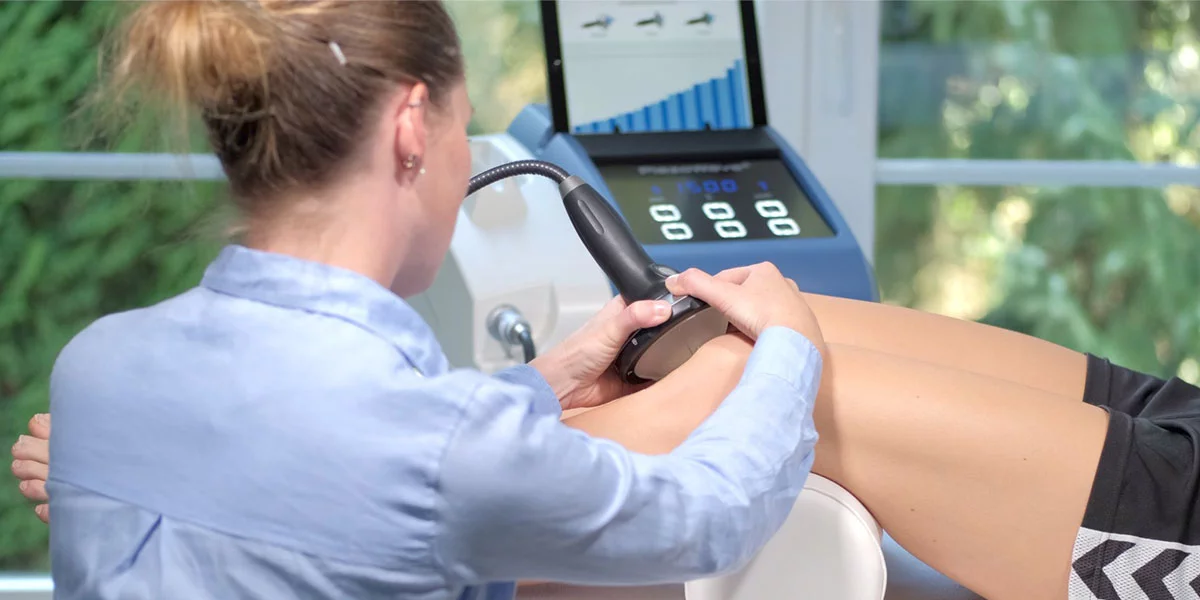
About Shockwave Therapy at Village Family Medicine
No Surgery
Heal naturally without invasive procedures. Shockwave therapy stimulates your body's own repair process, no incisions, no downtime.
Relief
Feel results in just a few sessions. Targeted acoustic waves reduce pain and inflammation so you can get back to your life sooner.
Lasting Results
Address the root cause, not just symptoms. Shockwave therapy promotes long-term tissue regeneration and sustained healing.
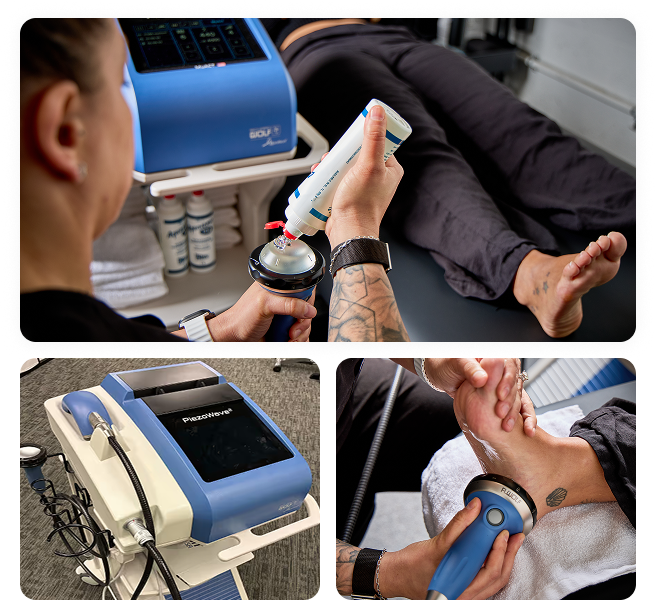
Shockwave therapy is ideal for those who want to stop living with chronic pain and finally feel like themselves again.

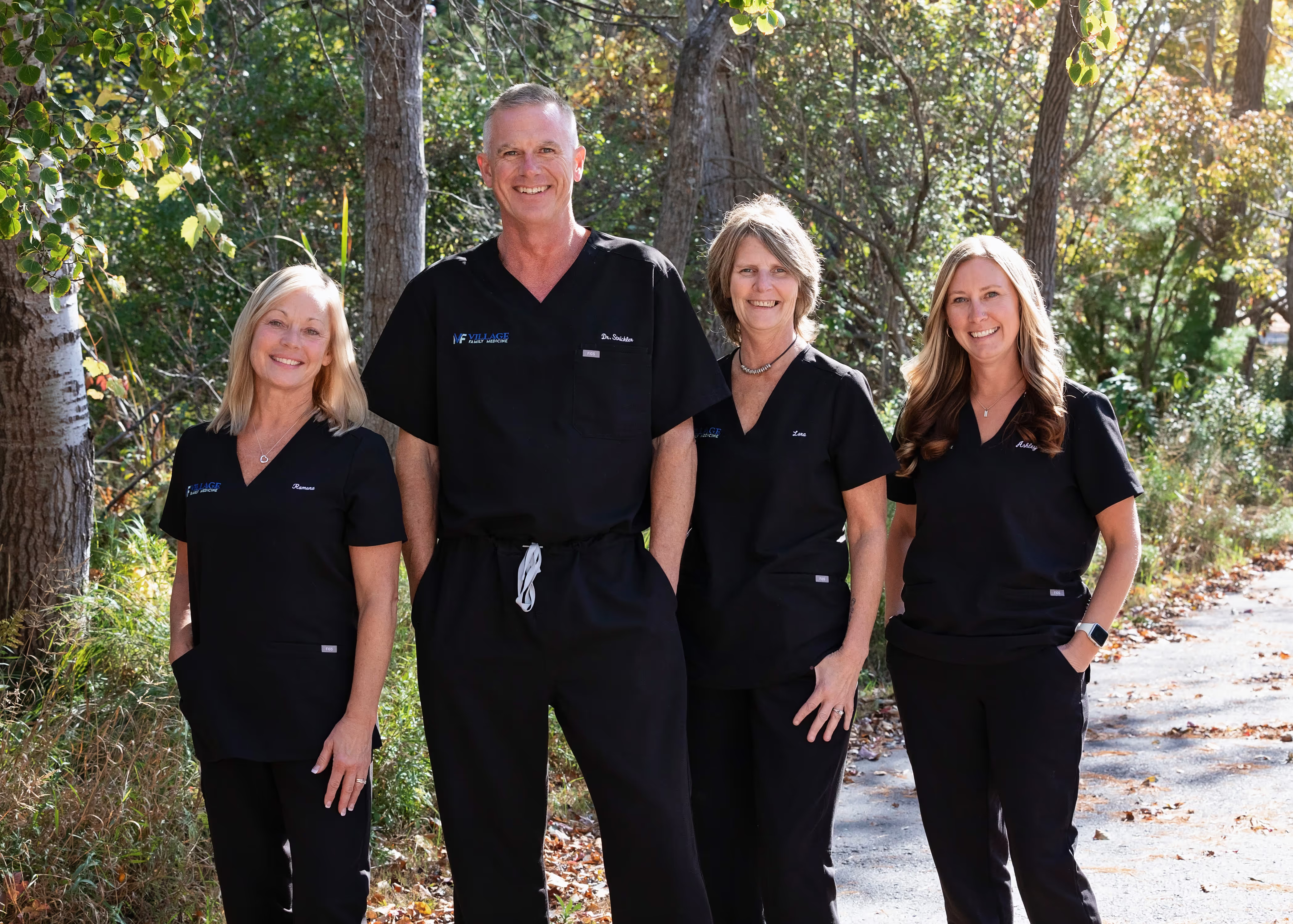
At Village Family Medicine, our mission is to help you return to the activities you love, free from chronic pain. Dr. Strickler combines decades of experience with the latest non-invasive therapies, so you can recover with confidence — without over-reliance on medications or surgery.
Why Schedule Your Consultation?
Reduce chronic pain by targeting inflammation at the source.
Accelerate tissue repair and stimulate natural cell regeneration.
Improve blood flow to damaged areas for faster healing.
Restore mobility and range of motion without invasive procedures.
Experience lasting relief with minimal sessions and zero downtime.
Request a Consultation

Schedule Your Consultation
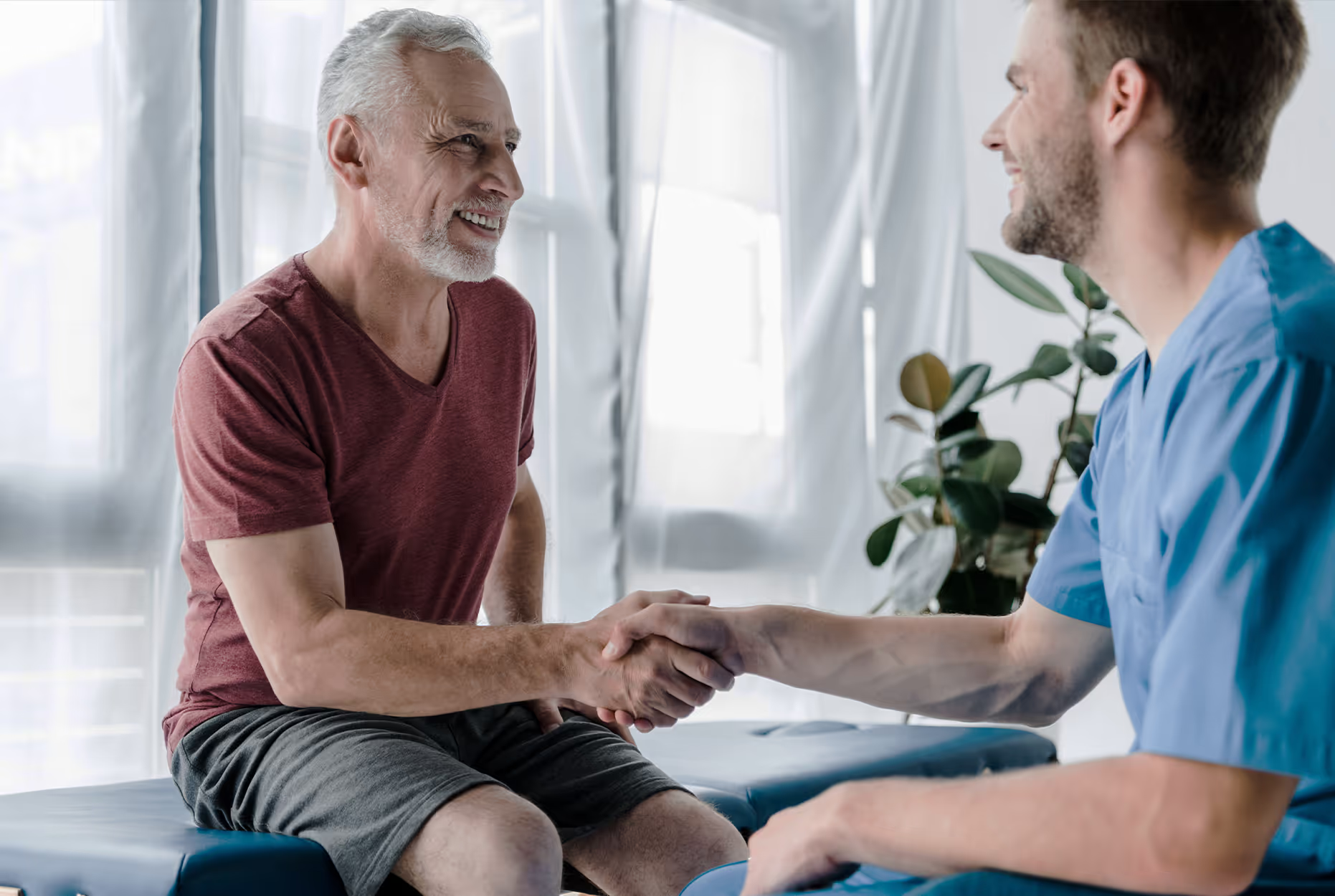
Meet with Dr. Strickler to discuss your condition, review your medical history, and find out if shockwave therapy is the right path for you. Every plan is built around your specific needs, no one-size-fits-all approach.
We're Here To Help
Have questions about treatment, scheduling, pricing, or your specific condition? Call us and our friendly team will give you the answers you need, no pressure, just honest guidance.

Book Your Consultation Today. No Pressure, Just Answers.

Frequently Asked Questions
Shockwave therapy uses targeted acoustic waves to stimulate your body's natural healing response. These waves increase blood flow, reduce inflammation, and promote tissue regeneration at the cellular level. It's a non-invasive treatment that helps relieve chronic pain and accelerate recovery—without surgery or medication.
You may feel some pressure or mild discomfort during the session, but it's generally well-tolerated. Any soreness afterward is typically mild and resolves within 24-48 hours. We'll guide you through every step to ensure you feel confident and comfortable.
Most patients experience noticeable improvement within 3-6 sessions, depending on the condition being treated. Sessions are typically scheduled once a week. During your consultation, we'll assess your specific needs and create a personalized treatment plan with clear expectations.
Shockwave therapy is effective for a variety of conditions including plantar fasciitis, tendonitis, muscle tightness, scar tissue, and soft tissue injuries. It's also used to improve mobility and accelerate healing after injury. We'll evaluate whether it's the right option for your condition.
While we don't accept insurance, we've designed our practice this way so we can offer the unhurried, personalized care our patients deserve. We're transparent about pricing from your very first visit, and flexible financing is available through Cherry and CareCredit. Call us at (989) 783-6300 we'd love to help you find a path that works for you.
Because shockwave therapy targets underlying tissue healing rather than just masking pain, results can be long-lasting for many conditions. For musculoskeletal issues like tendon pain or plantar fasciitis, clinical guidance suggests that improvements can last years, especially if the original contributing factors (e.g., biomechanics, activity habits) are addressed. Some studies report benefits lasting 2–5 years or more.
Results are highly individual. Some people feel long-lasting relief after a single course; others might notice symptoms returning over time — particularly if the underlying cause isn’t managed with exercises, lifestyle changes, or further therapy.